 Skip to content
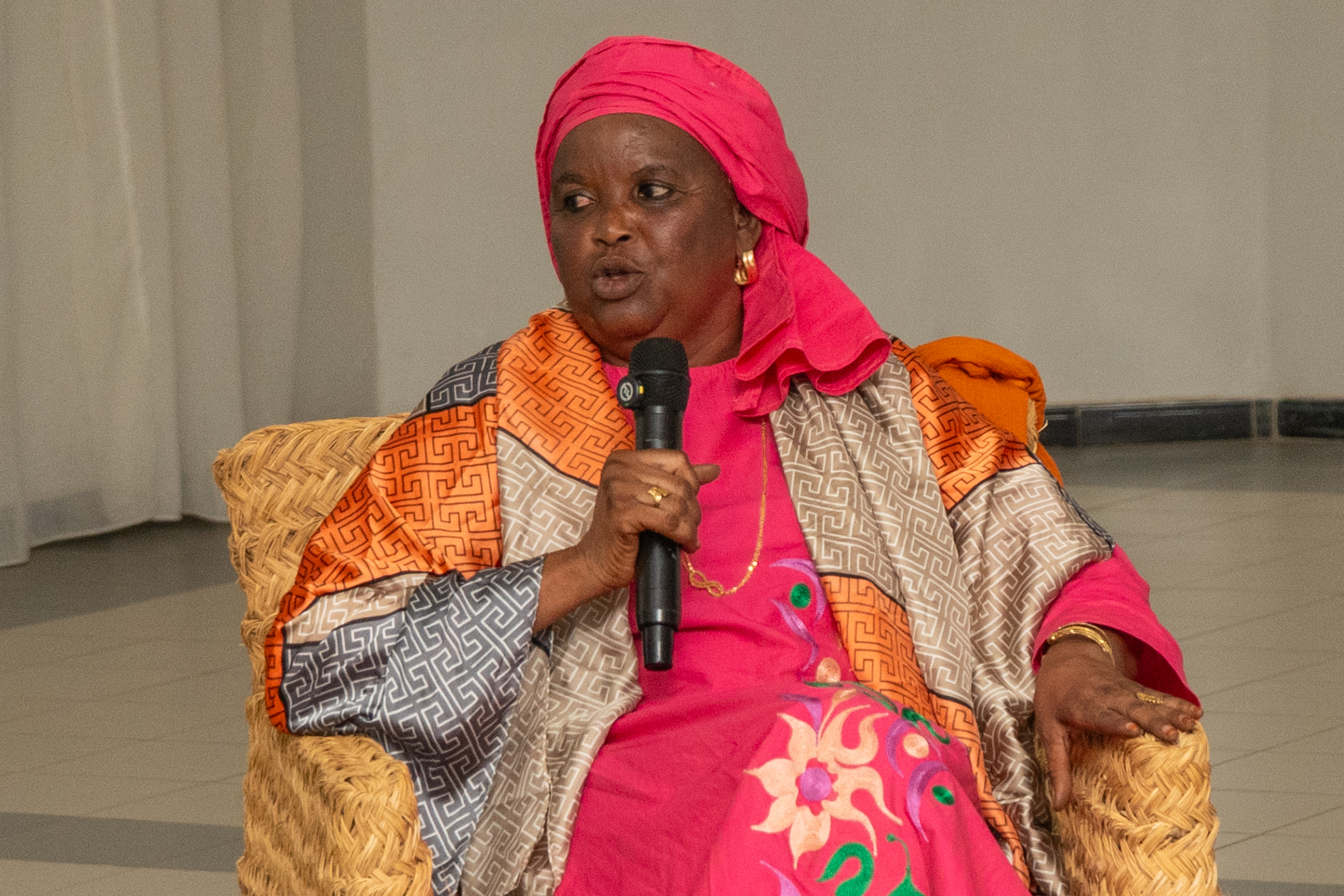
Thiès, Senegal — For over twenty-three years, Aissatou Kébé walked through the tall concrete gates of the Thiès women’s prison every morning — not as an inmate, but as a beacon of hope. What began as a simple assignment for the Senegal based NGO Tostan evolved into a lifelong mission: restoring dignity, knowledge, and belonging to people society had forgotten.
“When I first entered the prison in 2003, I was terrified,” she recalled. “I used to close my eyes whenever I walked past it. But once inside, I realized that most of these women were not criminals — they were victims of ignorance and isolation.”
Tostan, a Senegal based organization known for promoting human rights, literacy, and community-led development, had launched a pilot program in prisons to bring its human rights and empowerment modules to people behind bars. Few could have predicted how transformative it would be.
Most of the detainees Kébé met were women who had never been to school. They couldn’t read or write, and they didn’t know their basic rights.
“Through the classes on human rights, problem-solving, and literacy, they began to understand that they were human beings with dignity and voice,” Kébé said. “They told me, ‘If we had known our rights earlier, we would never have ended up here.’”
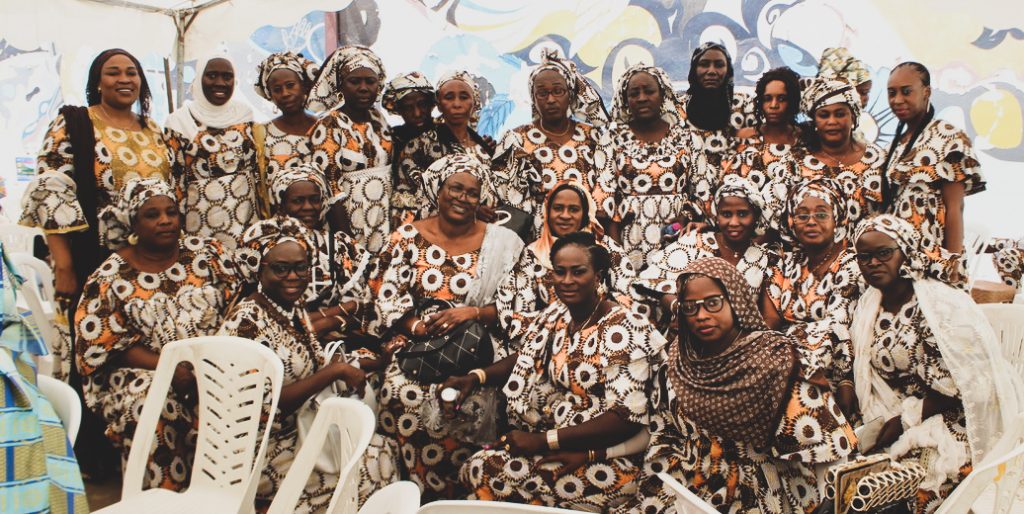

That realization reshaped Kébé’s work. She decided to go beyond the prison walls — into the homes and villages that had rejected these women.
“Many families refused to take them back after release,” she said. “So I began to do family mediation.”
She traveled across Senegal, sometimes even to neighboring regions, persuading parents, husbands, and community leaders to welcome back women who had been ostracized.
One of her most poignant memories is of a young woman imprisoned for infanticide. While in prison, Fatou gave birth to a son. “Her family didn’t even know the child existed,” Kébé said. “Through mediation, we arranged for him to be raised safely outside prison. He grew up, studied, and today he’s at university in Saint-Louis.”
Stories like Fatou’s highlight the human impact of Tostan’s model, which merges education with empathy, making sure none is left behind. The organization’s “Community Empowerment Program” — traditionally implemented in villages — found new meaning inside prisons.
“We didn’t just teach literacy,” Kébé explained. “We built trust. We restored the link between people and their communities.”
Kébé also recalls helping a male inmate, wrongfully convicted of rape. After studying his file and lobbying the judge, she secured his release. “He still calls me sometimes, just to say thank you,” she smiled.
Her work was not without sacrifice. “There were days when I used my own money for transport or mediation visits,” she said. “But I couldn’t stop — once you see change, you keep going.”
Now retired, Aissatou Dié Kébé continues to mentor others through the Association of Tostan Retirees. For her, the legacy is not just the number of women freed or families reunited — it’s the transformation of a system from within.
“Change doesn’t always start with big policies,” she said softly. “Sometimes it begins in a small prison courtyard — when a woman learns to write her name, to know her rights, and to dream again.”