
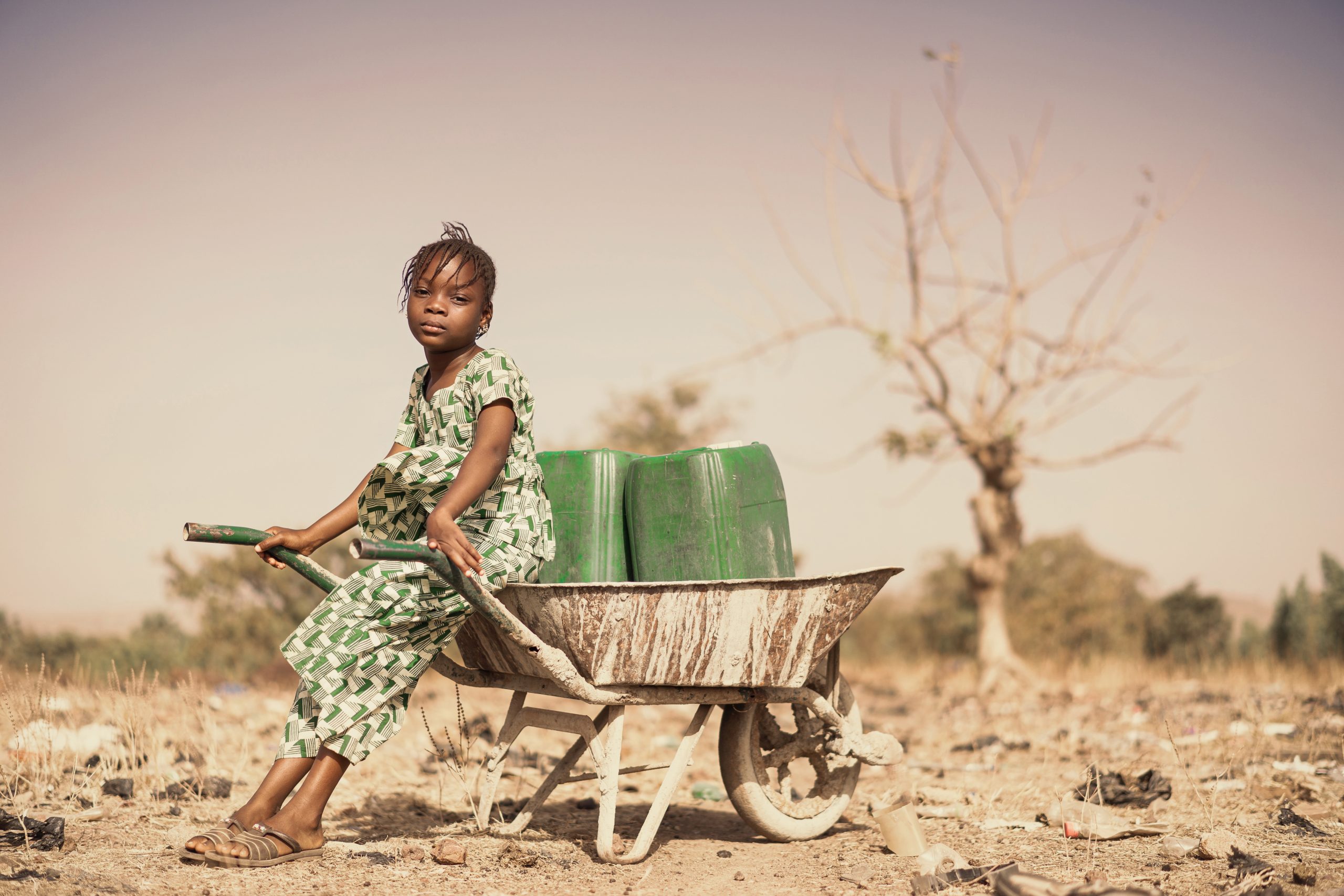
Dioila and Barouéli, Mali — Across Mali’s Dioila and Barouéli regions, community leaders, women, youth, and health workers are demonstrating how local knowledge, collective action, and Tostan’s educational approach combine to build safer and healthier environments—especially for children. Three years after completing Tostan’s Community Empowerment Program (CEP), these communities are showing that, even in the heart of the Sahel’s instability, locally led action can strengthen daily life in ways that last.
In Nana, a village in Dioila, community health worker Aminata Gakou arrived expecting the usual challenges—late prenatal consultations, emergency cases, and fragile coordination between families and health posts. Instead, she found a system already in motion.
“The organization of this village strongly impressed me,” she said. “Women attend their consultations on time, and I rarely see children for emergency care. Strong protection measures are now in place. My work has become much easier.”
Aminata is also enrolled in Tostan’s module on responsible citizenship and decentralization. For her, the training clarifies how local institutions function—and how communities can hold them accountable. She encourages women “to become active citizens, to vote, and even to run for office.”

Peace and Security as a Community Priority

In the Sahel, communities face mounting pressure from insecurity, inter-communal tensions, and growing competition over land and water.
Regional analyses by UNDP, OECD-SWAC, and the Institute for Security Studies show that violence in the central Sahel has increased fivefold over the past decade. This rise is driven by overlapping factors, including reduced access to natural resources, unresolved tensions between herders and farmers, and weakened state presence in remote areas.
Research by UN Women and the World Bank’s Fragility, Conflict and Violence unit shows that women, children, and marginalized groups are most affected. Their safety and livelihoods depend heavily on strong social ties and predictable local decision-making.
In this context, villages that have completed Tostan’s Peace and Security module report renewed trust, improved collaboration, and practical mechanisms for dialogue and mediation at community level.
During a recent sensitization session in Tafala (Barouéli), the village chief reaffirmed this commitment, stating: “No community can progress without peace and security. We fully commit to promoting peace across our village.”
His statement reflects similar written declarations made by more than a dozen other communities, each expressing their determination to strengthen dialogue, prevent conflict, and reinforce social cohesion.
This momentum is visible in Baba (Dioila), where the Community Management Committees (CMC) organized a major peace caravan on 17 November. With participation from local authorities, the caravan visited gathering points for elders, youth, artisans, and market vendors, emphasizing dialogue as the community’s most effective tool for preventing and resolving disputes.

These results mirror research by Search for Common Ground and the UN Peacebuilding Fund showing that locally designed conflict-resolution systems reduce tensions when grounded in community norms, inclusive participation, and shared responsibility. Tostan strengthens these dynamics through human rights education and community-led problem solving.
Protecting Children Through Local Structures
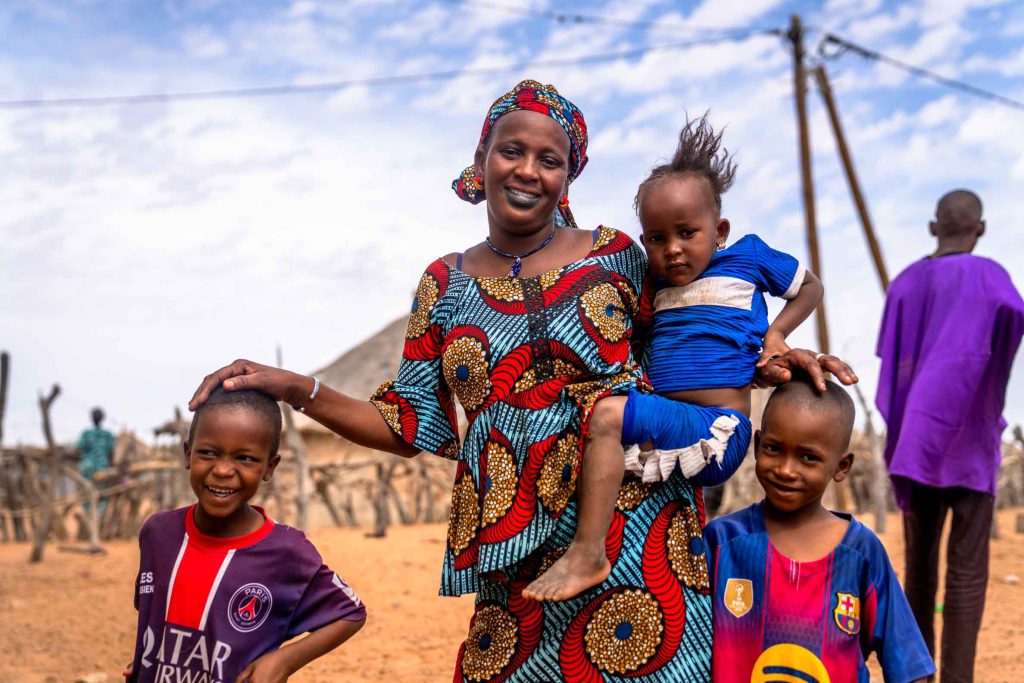
Tostan’s child protection and health sessions—covering disease prevention, hygiene, maternal and child health, and harmful practices—have helped build a community-wide culture of responsibility and prevention.
Communities now promote vaccinations, prenatal visits, hygiene practices, and the abandonment of harmful practices such as child marriage and female genital cutting.
Across Mali, Community Management Committees are increasingly proactive: monitoring children’s wellbeing, engaging parents, and coordinating with health structures.
The decline in child illness and the rise in prenatal consultations—observed by frontline health workers like Aminata—are tangible signs of this change.