
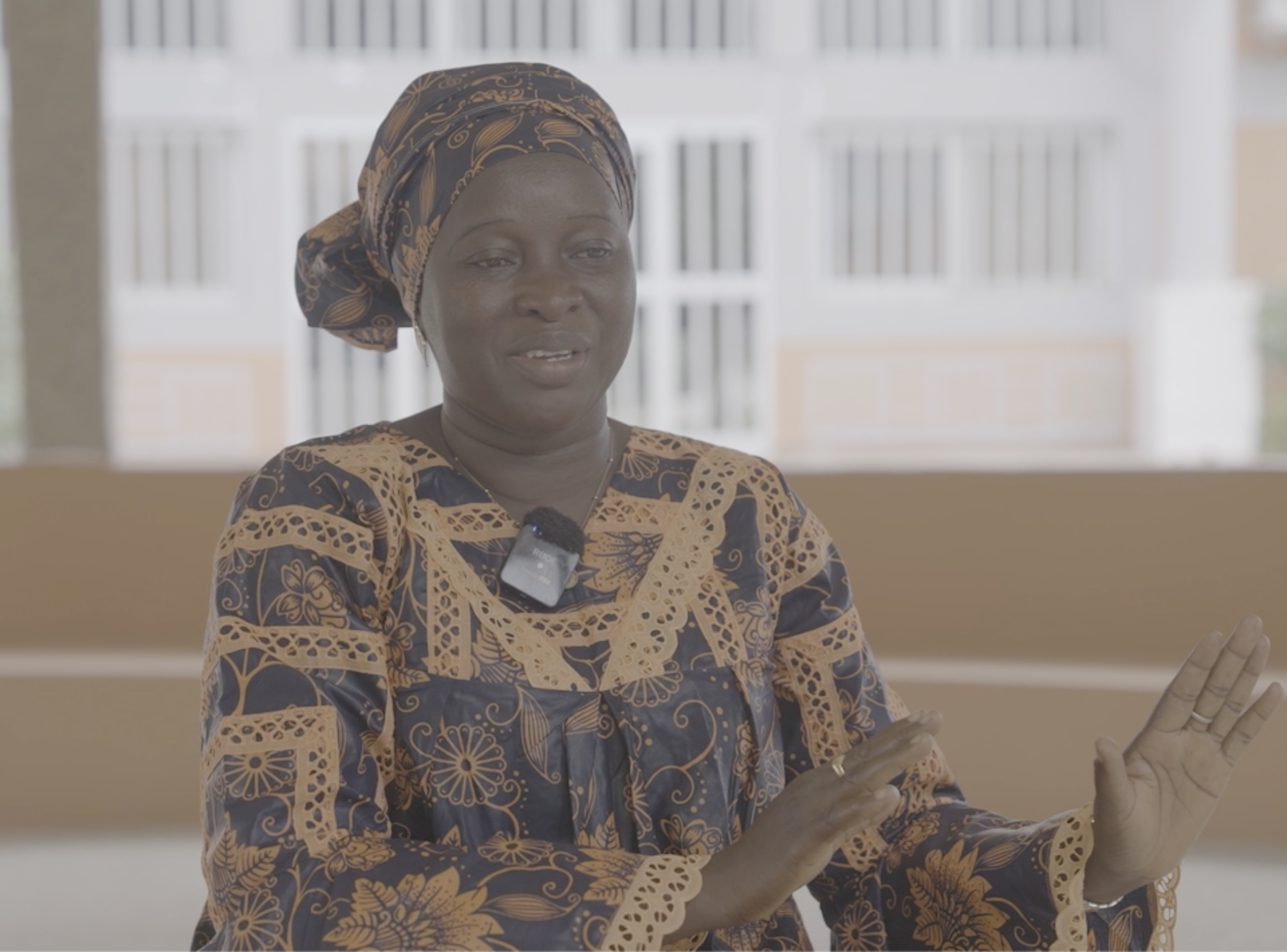
PIRADA, Guinea-Bissau — Fatimata Madina Baldé was still a student when her family arranged her marriage. In Pirada, where expectations for girls often narrow early, the decision marked a clear break. School stopped. Plans were put aside. “I regretted leaving school,” she says. “Learning was my dream.”
She had grown up moving between Portuguese-language schools and Quranic classes. From the start, education shaped her sense of possibility. She imagined learning a trade, opening a small sewing workshop, building a future that depended on her own skills. Marriage interrupted that path. Promises that she could continue studying did not hold. What remained was frustration and an unfinished ambition.
Even then, Fatimata did not give up on learning. Married and living within new responsibilities, she kept looking for a way back. “I wanted to grow and to contribute to my community,” she says. “I knew education mattered.”
That opening came through Tostan’s education program taught in Pular, her local language. It was her first time learning outside Portuguese. The shift was immediate.
Lessons focused on literacy, health, human rights, and civic life, grounded in daily realities. “I was curious,” she recalls. “I wanted to understand everything.”
Fatimata joined as a participant, but her commitment stood out quickly. She was chosen as secretary of her group, responsible for recording discussions and documenting activities. The role demanded precision, consistency, and confidence. It also rebuilt something she had lost. Trust in her own capacity to lead.
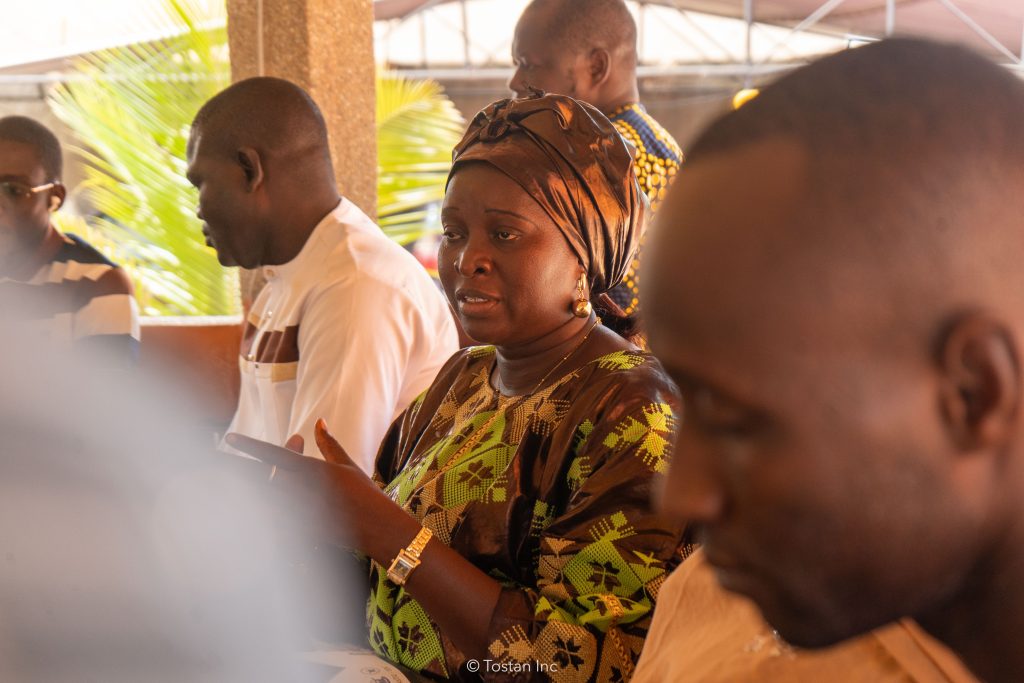
In 2011, she passed a local-language teaching test and became an instructor. The work was demanding. She traveled across communities, often long distances, sometimes paying transport costs herself. The goal stayed clear. Make learning accessible to women and families who had never been reached before. Her responsibilities expanded in 2018, when she became a supervisor in charge of social mobilization.

Today, she coordinates outreach activities, trains facilitators, and supports education in remote villages. She helps lead radio programs and community discussions on early marriage, gender equality, female genital cutting, environmental protection, and human rights.
The work is not abstract. It depends on relationships built village by village. Fatimata has helped connect communities, creating networks where information moves and collective decisions follow.
Without formal higher degrees, she earned credibility through consistency and presence. “I didn’t know I could reach this point,” she says. “Learning showed me that I had a voice.”
For Fatimata, education did not end when marriage began. It changed form. What started as a personal search became a public role. Today, she supports others who face the same early interruptions she once did, proving that when learning adapts to people’s realities, it does not disappear. It finds another way forward.