
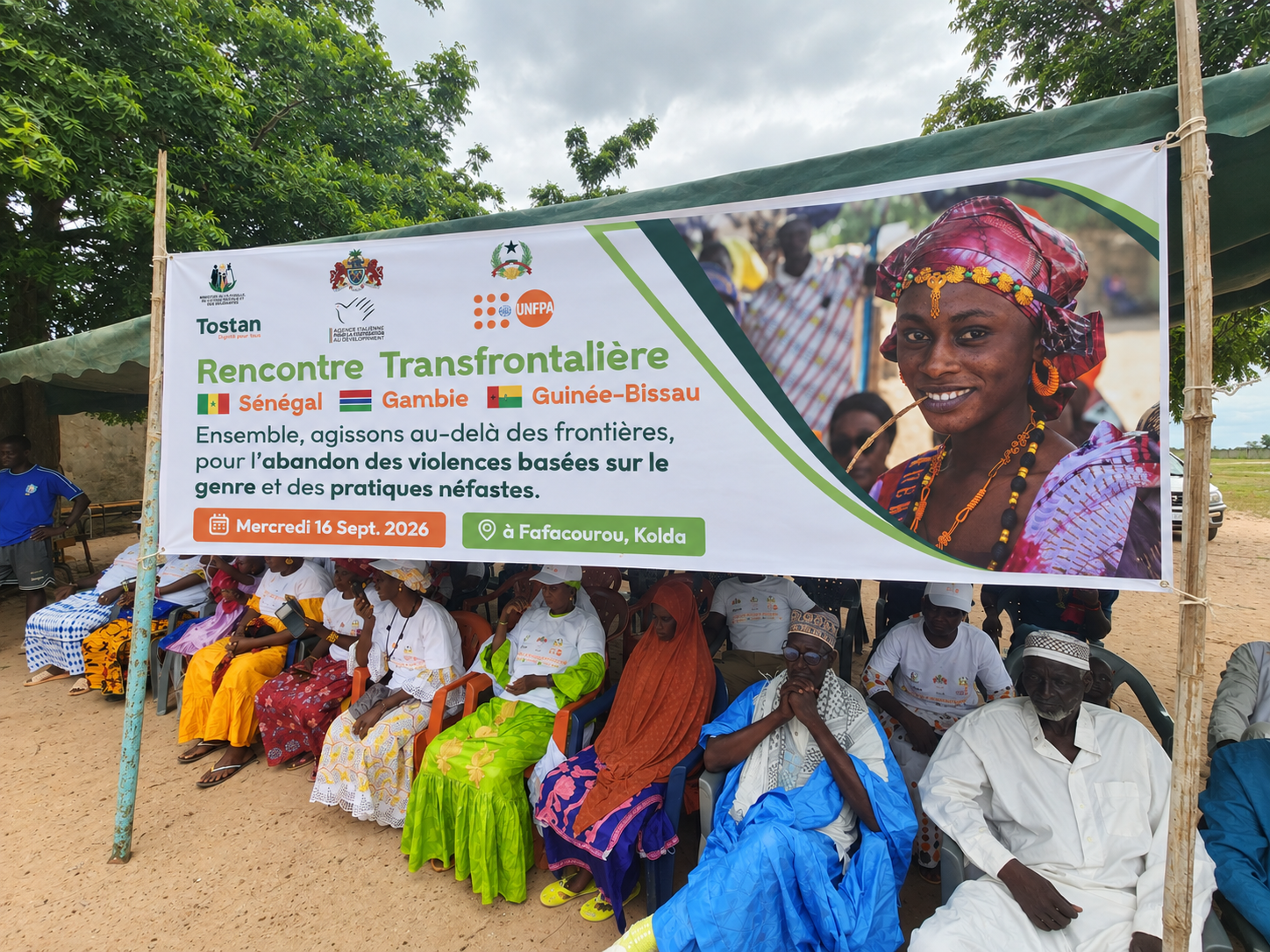
FAFACOUROU, Senegal – The day before, community members had swept every corner of the village school and arranged rows of chairs beneath a wide blue tarpaulin stretched taut against the September sun, the kind of preparation usually reserved for a wedding.
By the morning of September 16, everyone here knew something was happening. Women stirred enormous pots over open fires. Children darted between arriving guests, chasing each other around a banner that read, in English and French: Cross-border Meeting, The Gambia, Senegal, Guinea-Bissau, Together, let us act beyond borders to promote the abandonment of violence and harmful practices. Elders in flowing boubous exchanged greetings with young men and women wearing white caps stitched with the meeting’s logo.
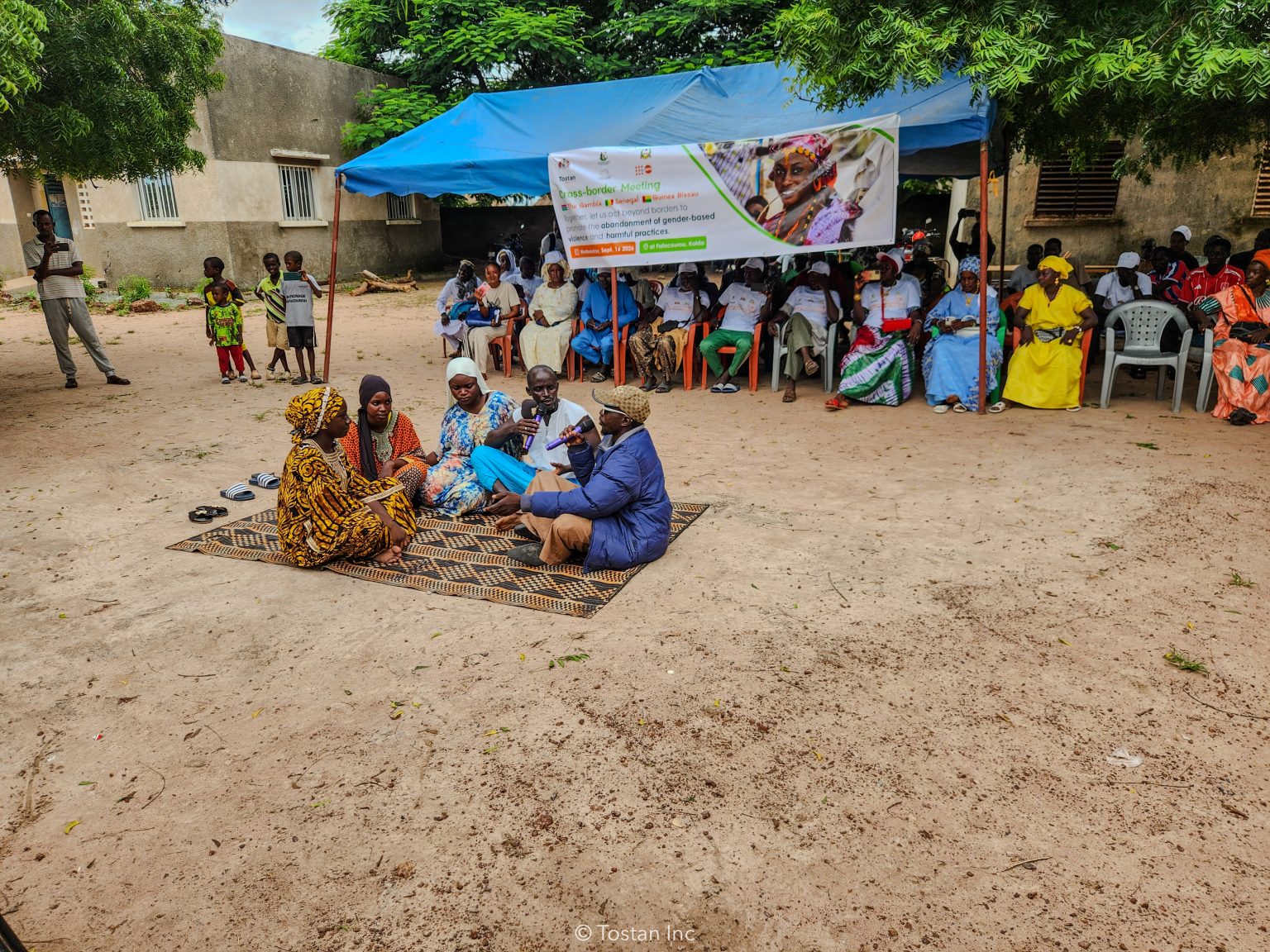
Before a single mayor or governor had said a word, the community itself opened the day, acting out scenes of gender-based violence and harmful practices in the open space at the center of the courtyard, right in front of the officials who’d traveled here to discuss them.
Government and community leaders from Senegal, Gambia, and Guinea-Bissau spent the day working through a problem no single country can solve on its own. It was the communities themselves who organized the gathering, in partnership with Tostan and with support from UNFPA and the Italian Cooperation. They designed its program and opened the day in their own voice.
The reason is geography. Along this border, families share the same languages, the same customs, the same relatives on both sides.
When one country tightens its laws against female genital cutting or child marriage, some families simply cross into the next one. Senegal banned the practice in 1999. In 2024, Gambian lawmakers rejected a bill that would have repealed the country’s own ban, a reminder of how close the region came to losing ground on a practice already outlawed for nearly a decade.
“Our borders are very porous,” said Lawa Dramé, senior gender officer at the Gambian Ministry of Gender, Children and Social Welfare. “No country can do this alone.”
The data, drawn from national surveys and government ministries across the three countries, explain why this gathering matters. In Senegal, nearly 3 in 10 women have experienced some form of violence in the past year, according to the country’s first national survey on violence against women; roughly 1 in 5 women aged 15 to 49 have undergone genital cutting, a rate that climbs above 60 percent in the Kolda region itself. In Gambia, nearly 3 in 4 women aged 15 to 49 have undergone the practice, according to the 2019–2020 Demographic and Health Survey. In Guinea-Bissau, 52 percent of girls and women aged 15 to 49 have been subjected to the practice, according to UNICEF, and 26 percent of women aged 20 to 24 report having been married before the age of 18.
These are not distant statistics for the people gathered under that tarpaulin. They are neighbors, sisters and daughters.
Coumba Kandé was two years old when she was cut, too young to remember choosing anything, but not too young, she says, to remember the pain. She grew up in Fafacourou (Senegal’s Kolda region), cut years after Senegal had already outlawed the practice, a quiet illustration of how far a law can sit from what actually happens in a village. Now 22, unmarried and without children of her own, she sat among the delegations that day carrying something the speeches could only gesture toward: what it means to live inside a statistic.
That day, she stood before elders and officials and spoke without hesitation, her voice carrying one demand: that no girl after her must feel unprotected.
In an interview afterward, she explained what stood behind those words. “I was cut when I was two,” she said. “But I still remember how it all went. I have never felt that much pain in my whole life. If I had been given the choice, I would not have gone through it.”
Through community awareness programs, she later learned about the practice’s long-term health consequences, a discovery that left her, in her own words, unsettled about what her body might still face.
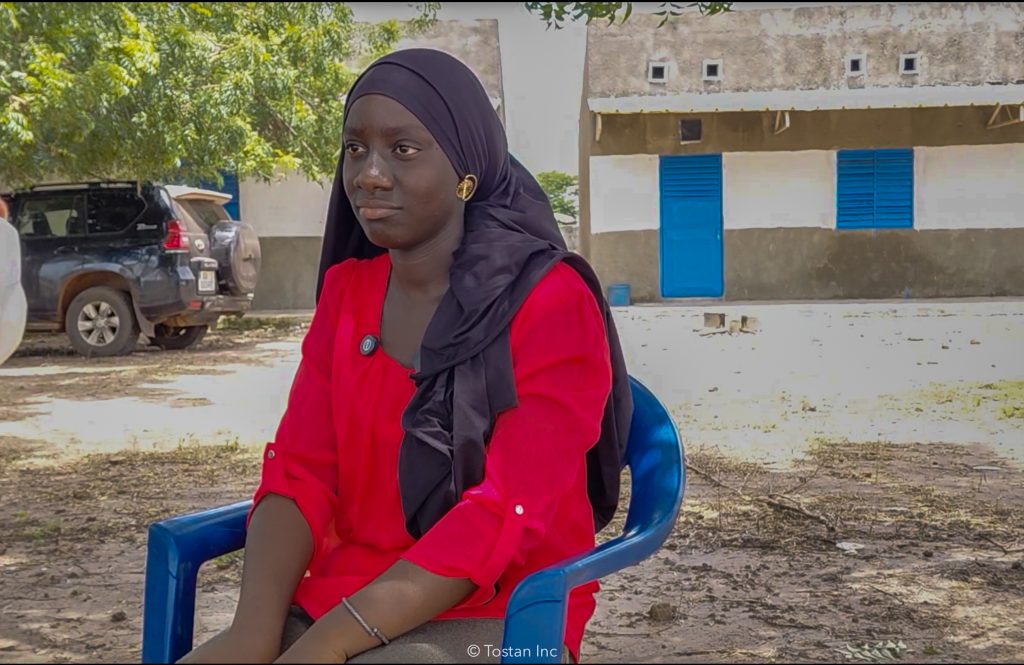
“I am not married yet and I don’t have children,” she said, “but I feel vulnerable.”
Fafacourou’s agenda reached beyond cutting alone. Early and forced marriage, Africa’s other most pressing harmful practice, carries a cost that extends beyond any single girl’s life. A World Bank report found that child marriage costs twelve African countries, representing half the continent’s population, an estimated $63 billion in lost earnings and productivity, driven largely by its effect on girls’ education and on fertility and population growth. The economic case and the human rights case point in the same direction.
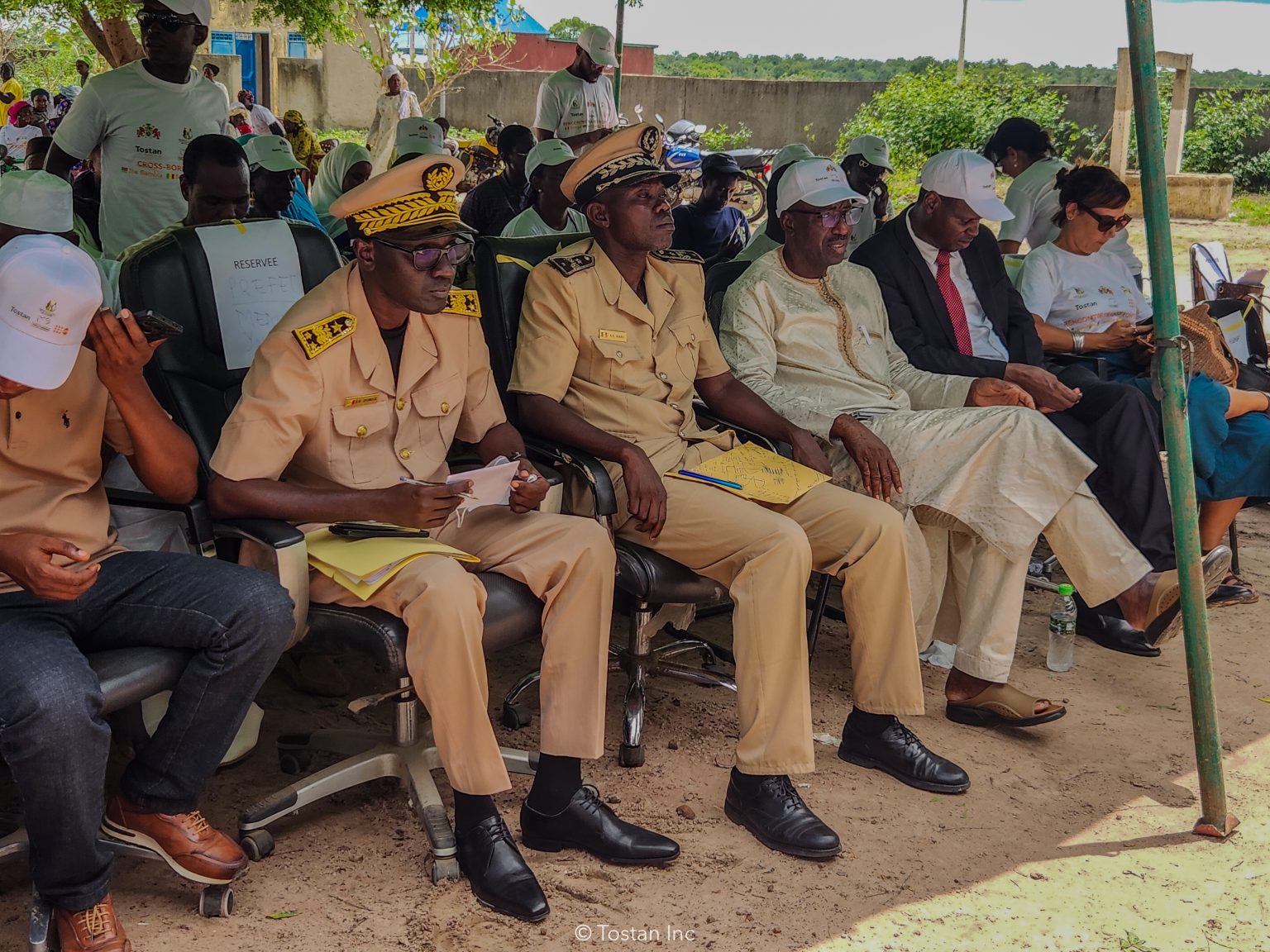
Governor Ousman Bah of The Gambia’s Central River Region, who traveled to Fafacourou for the meeting, put it plainly. “These communities share the same borders, cultures, families, and social connections,” he said. “We cannot address challenges affecting these communities by working in isolation.”
Watching that day, he said that he recognized exactly what ECOWAS envisions under its Pillar 5, proof, in his words, that the region’s development goals and a village courtyard in Kolda point in the same direction.
Then he reached for a metaphor closer to home. “I often think of life as a bucket that is passed from one generation to another,” he said. “Our parents passed that bucket to us. We have a responsibility to protect it, preserve it, and pass it safely to our children.”
Community leaders on the ground already understand the logic instinctively. A girl protected in one village is not fully protected if the girl in the next village, across an invisible line, is not. Ending these practices will take the same coordination across borders that families already use to escape the law.
No single meeting closes that gap. But for one day in Fafacourou, three countries chose to try to close it together.