
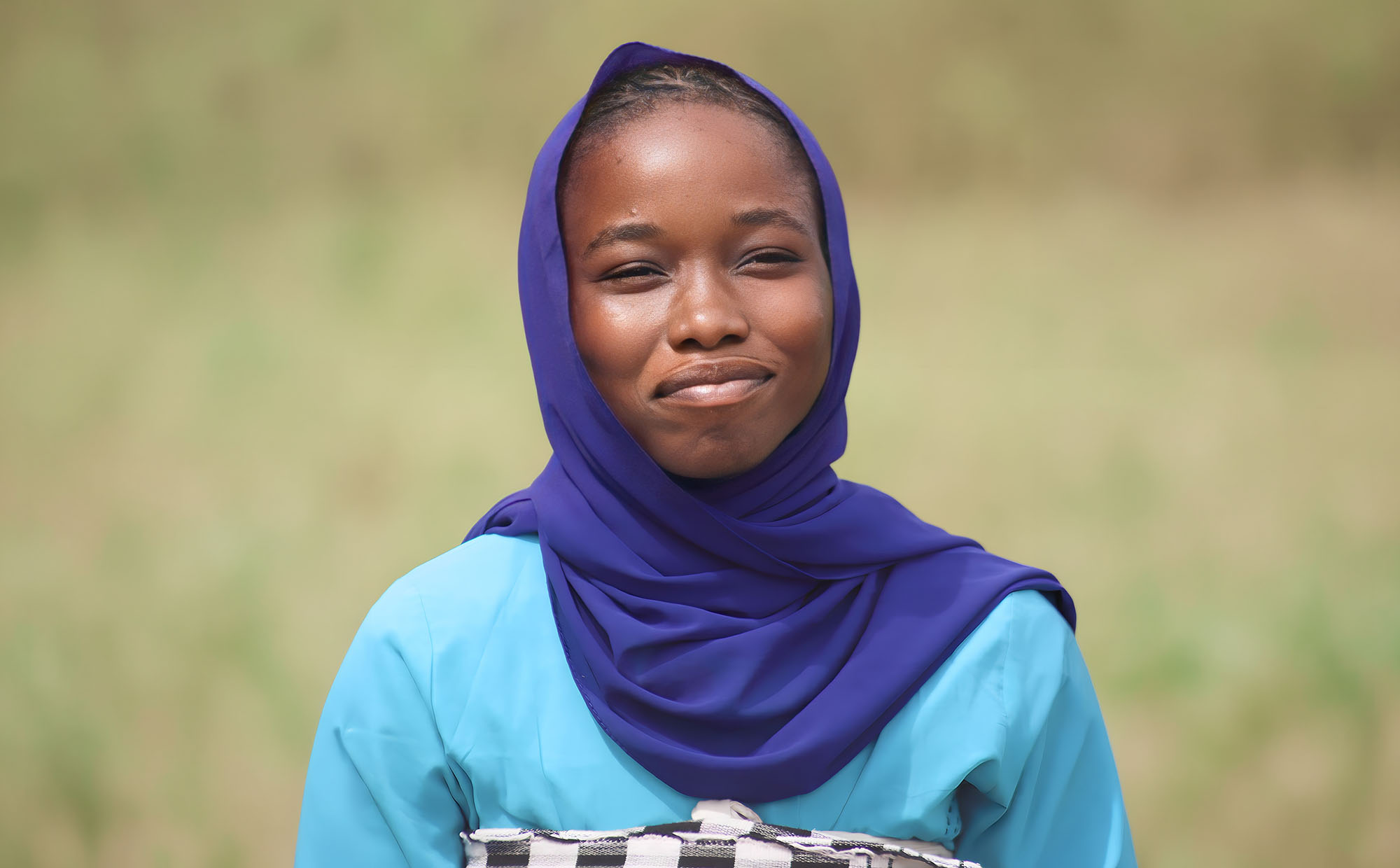
Marième Bamba was 13 when she was married, with no say in the decision. At 13, her daughter Adama was in school.
The years between those two facts hold a question that has followed West Africa’s movement against female genital cutting and child marriage from its start.
Communities can decide to abandon a practice. Does that decision hold for daughters too young to have taken part in it, and for their daughters after them?
The answer matters well beyond one village. In Senegal, three in ten women aged 20 to 24 were married before 18, and nearly one in ten before 15, according to the 2023 Demographic and Health Survey. Cutting follows ethnic lines more closely than regional ones. Fatick, a largely Serer region, records some of the lowest rates in the country. Soudiane is a Bambara village, and there, Marième recalls, nearly every girl of her generation was cut.
Adama was born in Soudiane in 1998. Girls there were usually cut in early childhood, often by the age of four or five. Adama never was. That same year when she was born, the village had declared publicly that it would abandon both cutting and child marriage.
She lost nothing by abandoning those practices,- Adama says of her mother.
Her mother had taken part in the discussions that led to it. In 1999, the year Senegal made cutting a criminal offense, Marième joined the community-led education program Tostan facilitated in Soudiane in Bamanankan.
The sessions began with human rights and shared responsibilities, and asked participants to find them in their own culture and religion.
Then came the harder question of which of their practices failed to respect them. Cutting usually surfaced through the right to be free from violence.
Women who had each carried its pain alone began to describe it aloud, and found the ordeal was common to them all. Marième carried her share.
Her first pregnancy, soon after her marriage, came with complications she attributes to the cutting. The law set the rule, and deliberation shifted the norm the law depended on.
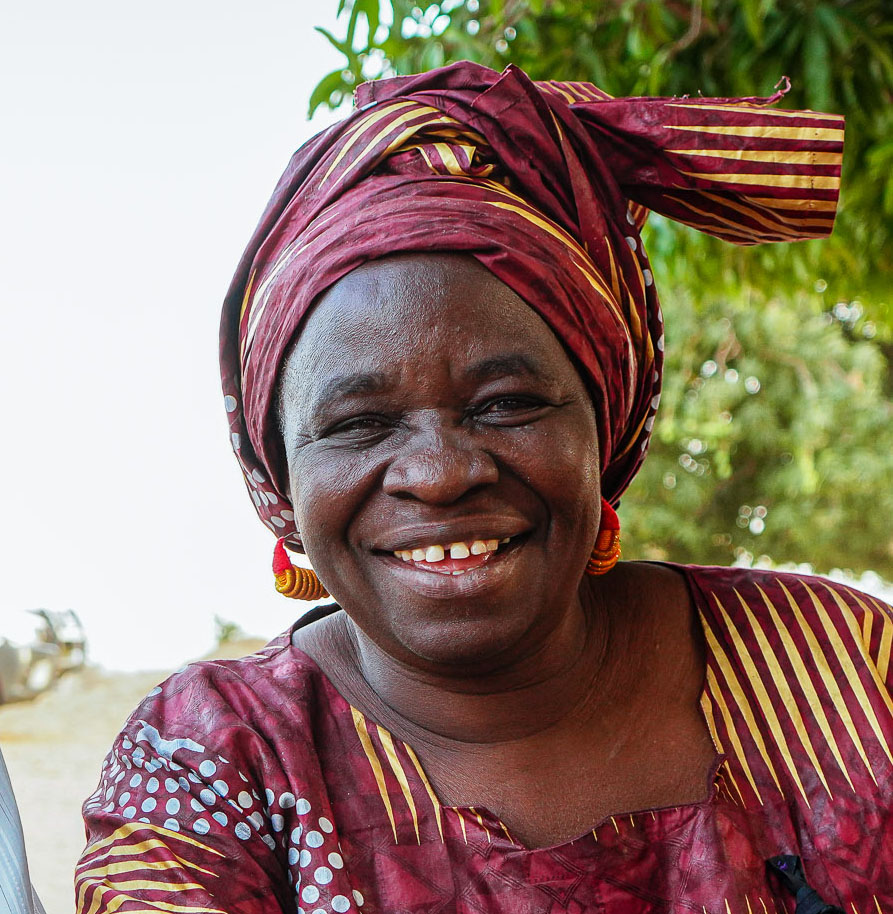
Adama grew up watching what else shifted. Her mother learned to read and write to manage the village’s projects, and became coordinator of its Community Management Committee. Her commitment won her six months of training as a solar engineer at Barefoot College in India. The trip also needed her husband’s agreement to six months apart, a measure of how far expectations of women in Soudiane had moved. Marième came home and wired 50 households, work that in the village had belonged to men. Adama says it showed her that what a man can do, a woman can do too. As a community birth attendant, her mother refused to turn away women who could not pay, sometimes covering the cost herself. Adama says that is part of why she became a nurse. Marième’s path, told elsewhere, earned her the Pioneer Woman Award in 2022.
Adama now has a daughter of her own, two years old. She has said many times that the girl will not be cut. Nor does she treat her mother’s choices as a ceiling.
As young people, we should do more than what she’s achieved,- she says.
By more, she means carrying her mother’s work forward, with knowledge Marième gained only as an adult and Adama’s generation has had from the start.
One family is not a trend. Adama grew up with a mother who became a public figure, a model few girls in rural Senegal have. This story cannot tell us whether the decision holds in households where mothers took no leadership role, or among daughters who moved to cities, where a village agreement carries less weight.
Before her daughter was born, Adama spoke to her the way her mother once spoke to her,
just like two adults.
The girl is two now, nearing the age at which Soudiane once cut her daughters. For Adama, that question was answered a generation ago.