
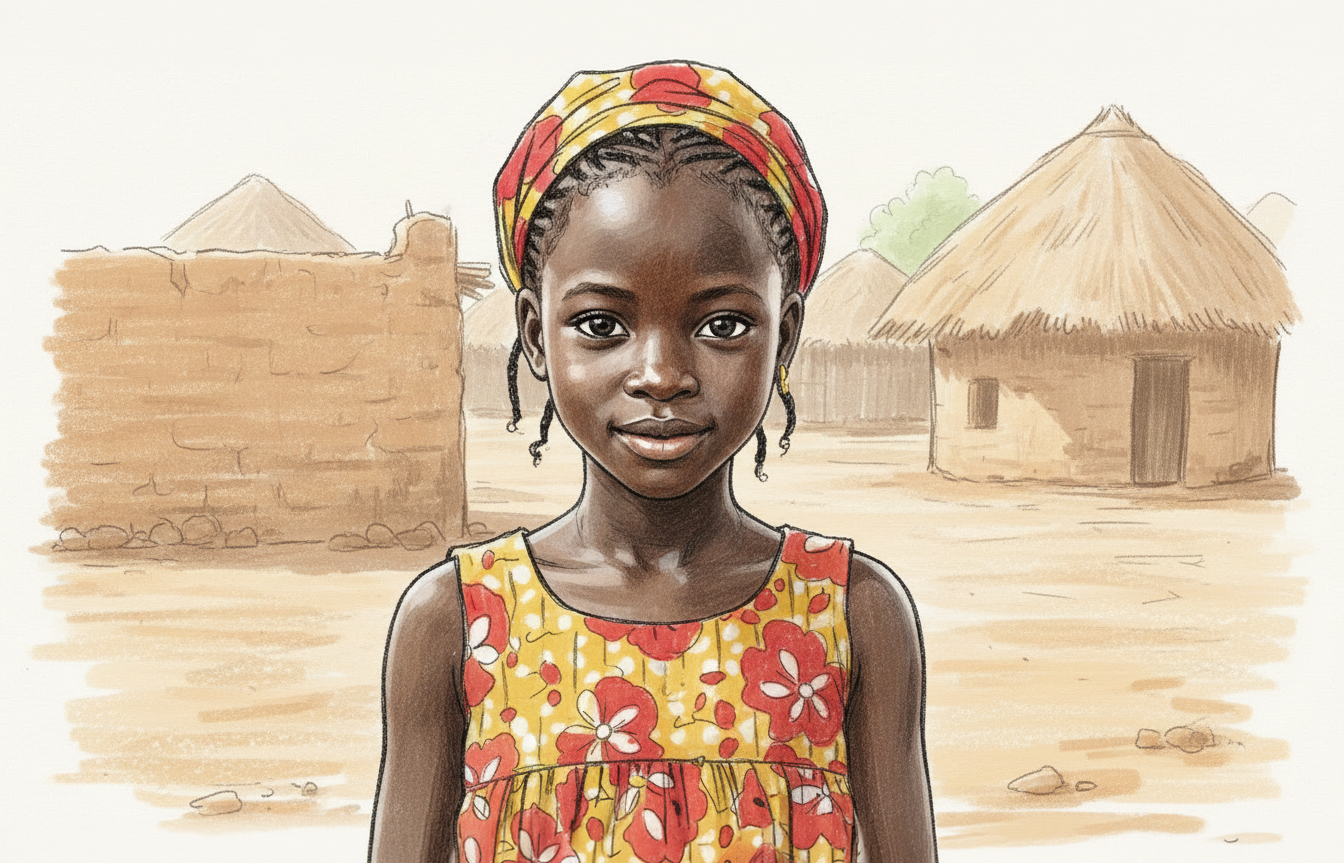
Coumbayel had just finished primary school when she overheard her parents arranging her marriage. In her small village in Vélingara Ndiao, in northern Senegal, the decision would have marked a turning point: leaving school, stepping into adulthood, and setting aside her plans for the future.
Child marriage remains a global challenge. More than 640 million girls and women alive today were married before the age of 18, and around 12 million girls are married each year. For many girls, early marriage leads to school dropout, early pregnancy, and increased health and protection risks.
In Senegal, about one in three young women aged 20 to 24 were married before the age of 18. In rural areas, girls often face growing pressure to leave school early, particularly where economic constraints and social norms influence family decisions. Coumbayel’s situation reflects these broader dynamics.
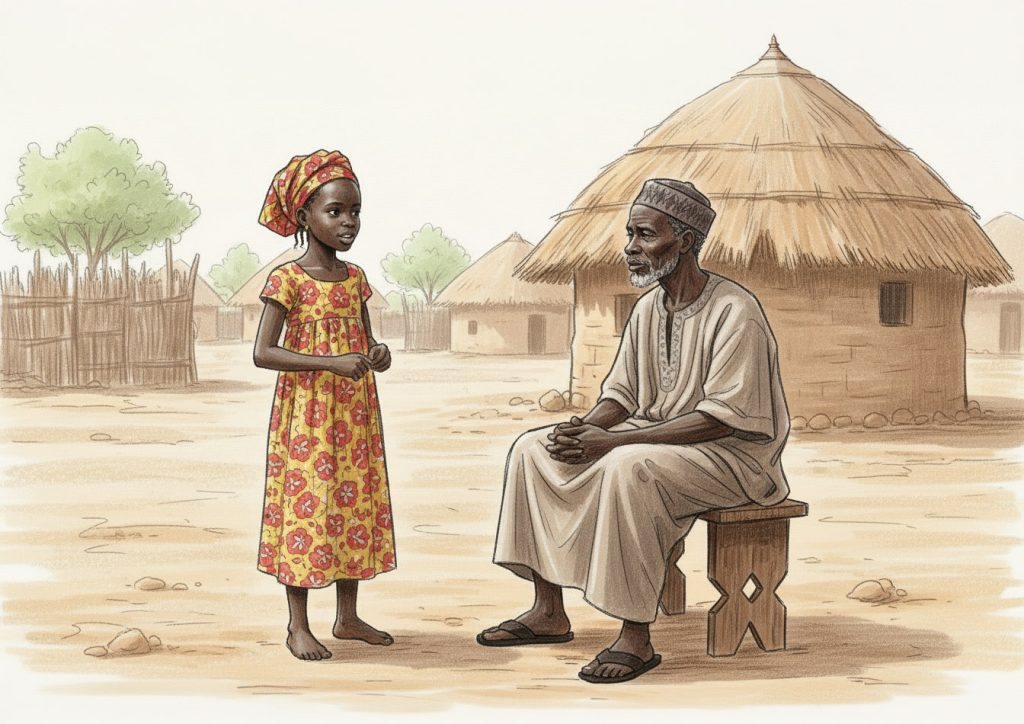
Instead of staying silent, Coumbayel chose to speak up. She went to the village chief, Boubacar Dia, and told him she wanted to continue her education.
Mr. Dia had recently taken part in community dialogue sessions facilitated by Tostan on human rights, health, and social change. These sessions are structured dialogues rather than lectures. They create space for open discussion, allowing community members to reflect on their experiences and consider the consequences of certain practices.
When Coumbayel approached him, the chief chose dialogue over authority. He met with her parents and discussed the risks associated with early marriage, including health complications linked to early pregnancy. He also referred to a recent case in the village where a young girl had died during childbirth.
When the parents hesitated, the issue moved beyond the household. A community meeting was called. The discussion shifted from a private family decision to a shared concern about the girl’s wellbeing. Faced with both community reflection and their daughter’s determination, the parents changed their decision. The marriage was cancelled.
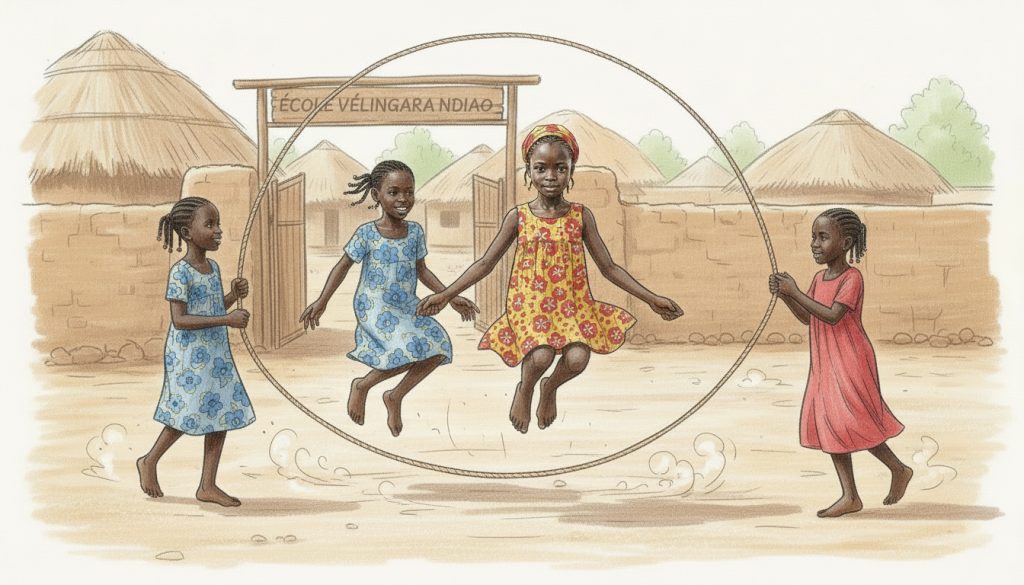
Today, Coumbayel remains in school.
Her story reflects a broader pattern observed across Tostan’s community partners in Senegal, Mali, The Gambia, and Guinea-Bissau, where community-led discussions are contributing to gradual shifts in attitudes toward child marriage.
Since 2018, more than 1,500 cases of child marriage have been prevented through the mobilization of community members engaged in Tostan’s education program.
These changes are not driven by legal frameworks alone. They emerge through sustained community engagement, where dialogue and education enable individuals and families to question norms, share experiences, and reconsider decisions affecting their children.
The impact extends beyond one individual case. Keeping girls in school is associated with delayed childbirth, improved economic outcomes, and reduced intergenerational poverty. Over time, these shifts influence how future generations approach education and marriage.
Coumbayel’s case shows how community-led dialogue can impact decisions at the local level and strengthen efforts to reduce child marriage.
