
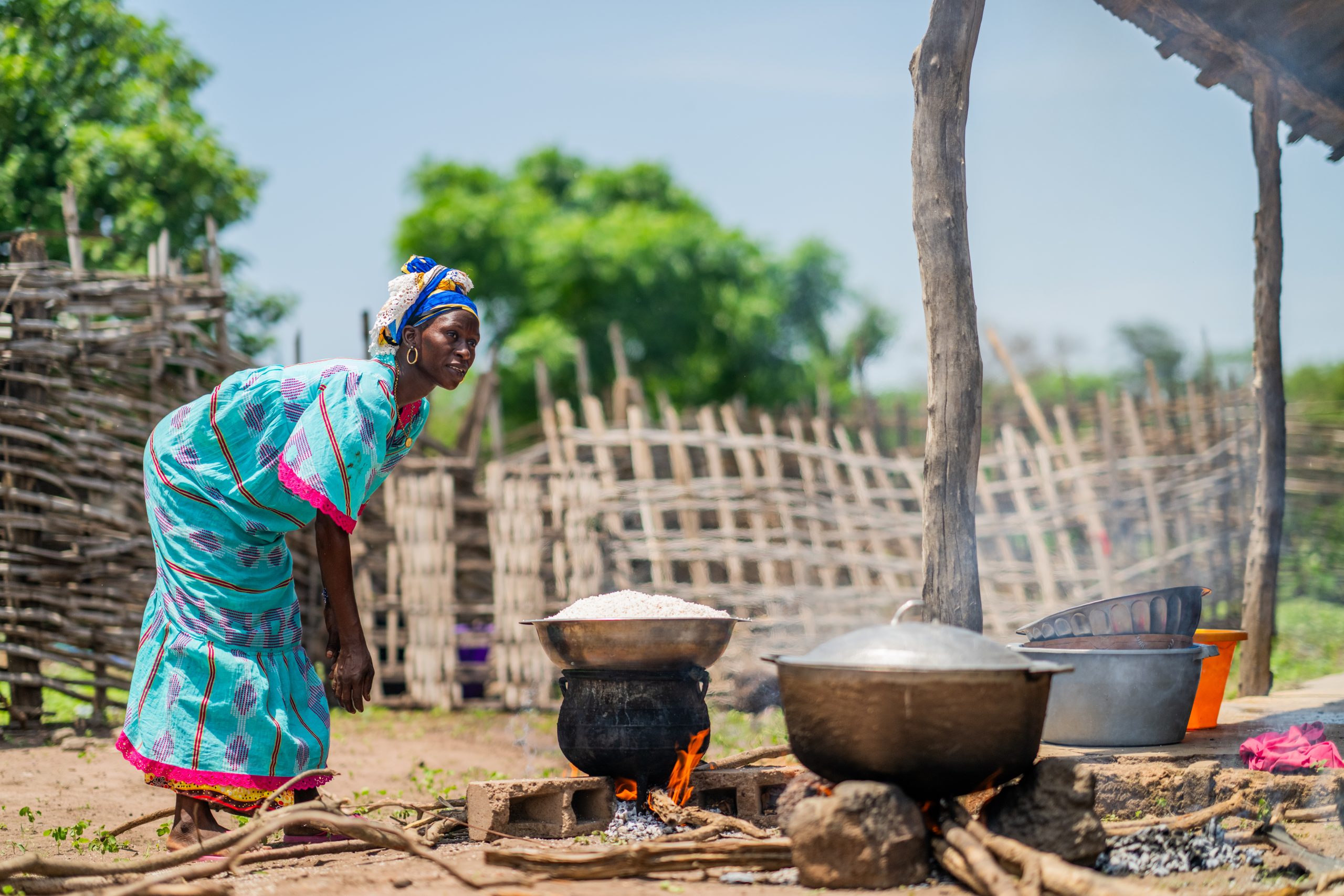
In Quinara, a woman stands before her community, ledger in hand. She chairs the meeting of the Community Management Committee (CMC), guiding decisions on repairing a water pump and improving a classroom. Each transaction is read aloud, line by line, for all to hear. The numbers are transparent, and the authority is hers.
In a Country Where Women Rarely Hold Power
Scenes like this remain uncommon in Guinea-Bissau. As of 2024, only 9.8 percent of parliamentary seats are held by women, one of the lowest rates in West Africa. The Parity Law passed in 2018 requires political parties to include at least 36 percent women on their candidate lists, yet implementation has been slow and uneven. Barriers extend beyond politics. With an adult female literacy rate of just 52 percent, many women face obstacles to participating in decision-making and financial management. These gaps limit not only women’s voices but also communities’ potential to thrive.
Turning Literacy into Leadership
In 2024, the Bright Professional Opportunities and Youth and Women’s Empowerment for Community-Led Sustainable Development (BPOE) project, funded by the German Federal Ministry for Economic Cooperation and Development (BMZ) and managed by GIZ with partners including Tostan, introduced fund-management training for CMCs in Gabu and Quinara. The initiative built on Tostan’s education program, which had already strengthened literacy, numeracy, and collective decision-making in local languages. Through discussions on rights and responsibilities, women gained the confidence and legitimacy to claim leadership roles in public life.
Women Now Direct the Village Purse
That year, 53 Community Management Committees in Gabu and Quinara completed the training. Nearly 70 percent of leadership positions were filled by women. Together, these committees managed 53 million CFA francs (about 86,000 US dollars), investing in local priorities such as classroom renovations, water-pump repairs, and small infrastructure improvements.
“For the first time, people trust me to manage money for the whole village,” said one CMC chair. “This is not only about me—it is about all women being seen as leaders.” The impact is visible: children are learning in safer classrooms, water flows again from repaired pumps, and financial records are reviewed openly so every neighbor can see where the funds go.
Power Counted in Decisions, Not Promises
The deeper change lies in trust. Nationally, women remain underrepresented in parliament despite the Parity Law. But in Quinara and Gabu, communities are already living that future. They are placing real budgets and real authority in women’s hands and holding them publicly accountable.
Empowerment in Guinea-Bissau is no longer abstract. It is measured in decisions made, funds managed, and trust earned—by women leading with confidence, ledger in hand.