
Across West Africa, young people leave home seeking opportunity, but often encounter hardship abroad. A 2023 United Nations Economic Commission for Africa (ECA) study estimates that about 24% of youth (ages 15‑24) in Guinea‑Bissau were not in employment, education or training — while access to financial services is limited, making it difficult to launch even small businesses. These economic pressures push many toward irregular migration, despite perilous journeys and uncertain outcomes.
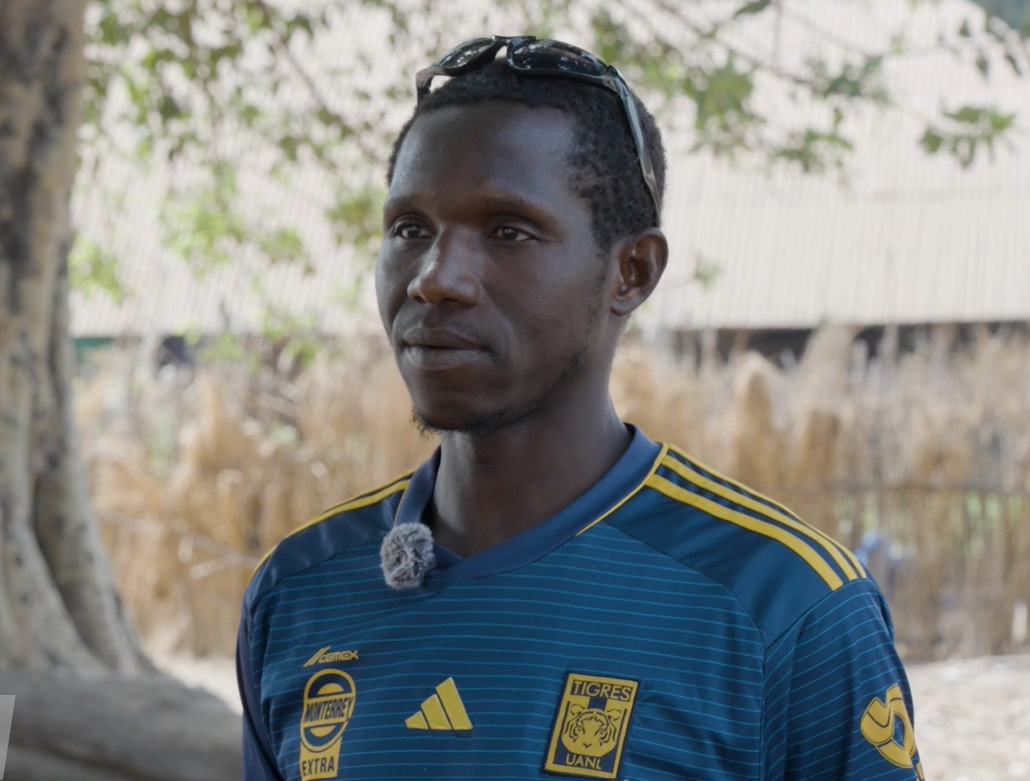
Faly Baldé, 27, a farmer from Bangacia, Guinea-Bissau, knows this struggle firsthand.
“I told my family I was leaving the country because there were no opportunities here,” he recalls.
His journey took him through towns in Senegal — Dioabe, Kolda, Ziguinchor — before reaching Dakar, and eventually Mauritania, where he was deported back home. Still determined, he tried again, reaching Cape Verde before realizing life abroad was no easier. “Things were very difficult there too,” he says. “So I came back to my village.”
Returning home might have ended Faly’s ambitions, had it not been for Tostan’s community-based training programs. Through a partnership with GIZ, he participated in a literacy and project management program in Cambesse.

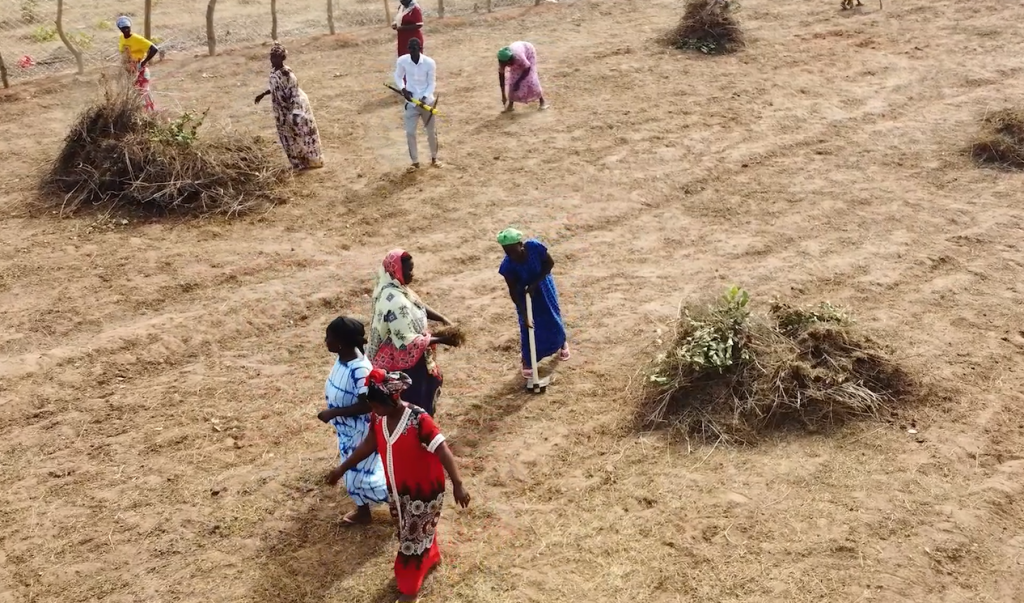
“I came back home with these new skills,” Faly says. “Together with other youths, we asked the village chief for a plot of land. He agreed, and the Tostan project supported us financially to build a fence for our market garden. That support gave me motivation to stay — and motivation to build a future at home.”
In Bangacia, Faly’s story is part of a broader trend. Across Guinea-Bissau and neighboring countries, youth have energy, ambition, and ideas — but they often lack capital. Many see irregular migration as the only path forward, despite risks. According to a 2023 OIM report, at least 20,000 people have died attempting to cross the Central Mediterranean since 2014, though the real number is likely far higher. Routes from West Africa to Europe, particularly to the Canary Islands, are among the deadliest in the world.
Tostan’s approach addresses the root causes of migration by investing in education, local leadership, and sustainable livelihoods. Communities learn to identify opportunities, pool resources, and support youth initiatives, creating pathways for economic independence while staying home. In villages like Bangacia, these programs are transforming perspectives: staying is not failure, it is a choice.
“I used to believe my future was somewhere else,” Faly reflects, standing among the vegetables he helped plant. “Now I know it’s here — at home, with my community.”
Through targeted interventions and community-led initiatives, young West Africans like Faly are redefining success, showing that resilience and opportunity can grow where roots are deepest.