
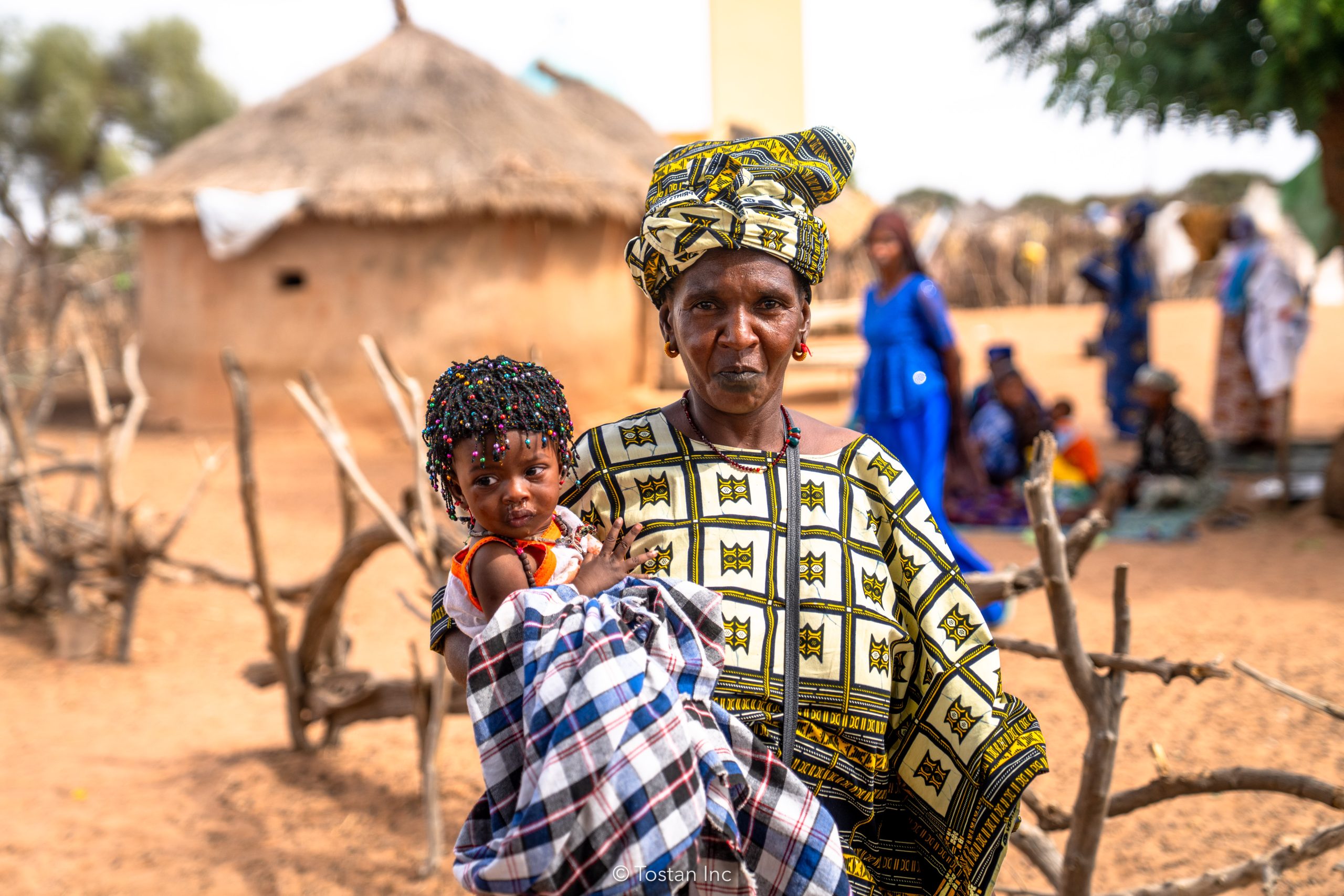
FERLO, Senegal — For decades, birth registration in Senegal has remained a structural challenge, leaving thousands of children without legal identity. According to the 2023 Continuous Demographic and Health Survey (EDS-C), 81.4% of children under age 5 are now registered. However, this national average hides stark disparities, especially in isolated pastoral zones like the Ferlo. There, distance, the cost of transport to town halls, and a lack of awareness created insurmountable barriers. The consequences were severe: children unable to enroll in school, sit for exams, or access basic social services.
When Tostan started the Community Empowering Program in the Ferlo with the support of Sevenska Petroleum, these barriers came up in the first dialogue sessions.
Participants learned about the right to identity and discussed how the absence of a birth certificate affects a child at every stage of life.
Mamadou Ndaw, a facilitator who grew up in the region, remembers how difficult those early conversations were. Some families believed registration could wait.
Others felt the cost and distance made the process impossible. Through regular dialogue and problem-solving exercises, understanding grew.
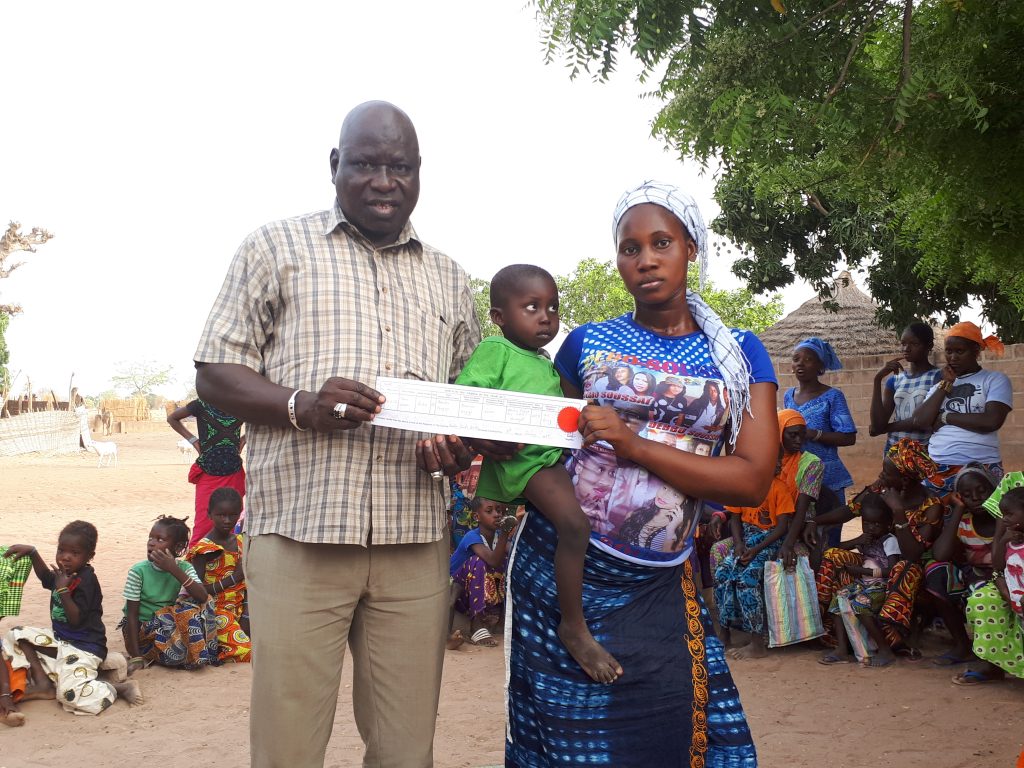
The Community Management Committee (CMC), created during the program and made up of women and men elected by the community, played a central role.
They were responsible for analysing local challenges and proposing practical solutions. After reviewing the baseline survey and discussing the costs faced by parents, the CMC agreed that the main barrier was transport to the town hall.
They then examined different ways to support families and looked for an option that everyone could contribute to and sustain over time. The women of the CMC suggested a simple response grounded in solidarity.
A Solidarity Fund for Every Newborn
Each community member contributes 50 FCFA whenever a baby is born. With 100 to 200 contributors, the amount quickly covers transport. Parents receive the money immediately and travel to the town hall to register the child.
Once the fund was created, the CMC took on clear tasks. They noted each birth, collected contributions, and ensured the amount reached the family in time for registration. Mamadou explains that this structure made a difference because everyone understood their role and trusted the process.
The results are visible. Parents now expect the fund. New births are reported quickly. CMC members verify that each child receives a certificate. In Velingara Ferlo, it is now rare to meet a child without legal identity.
For Mamadou, this experience reshaped his understanding of development and showed him that solutions grow from within the community when everyone sits together and contributes to removing shared barriers. In this village, fifty francs per person now removes the obstacle that once kept children from being counted. A certificate gives them the first recognition of their rights and the chance to start life on equal ground.