
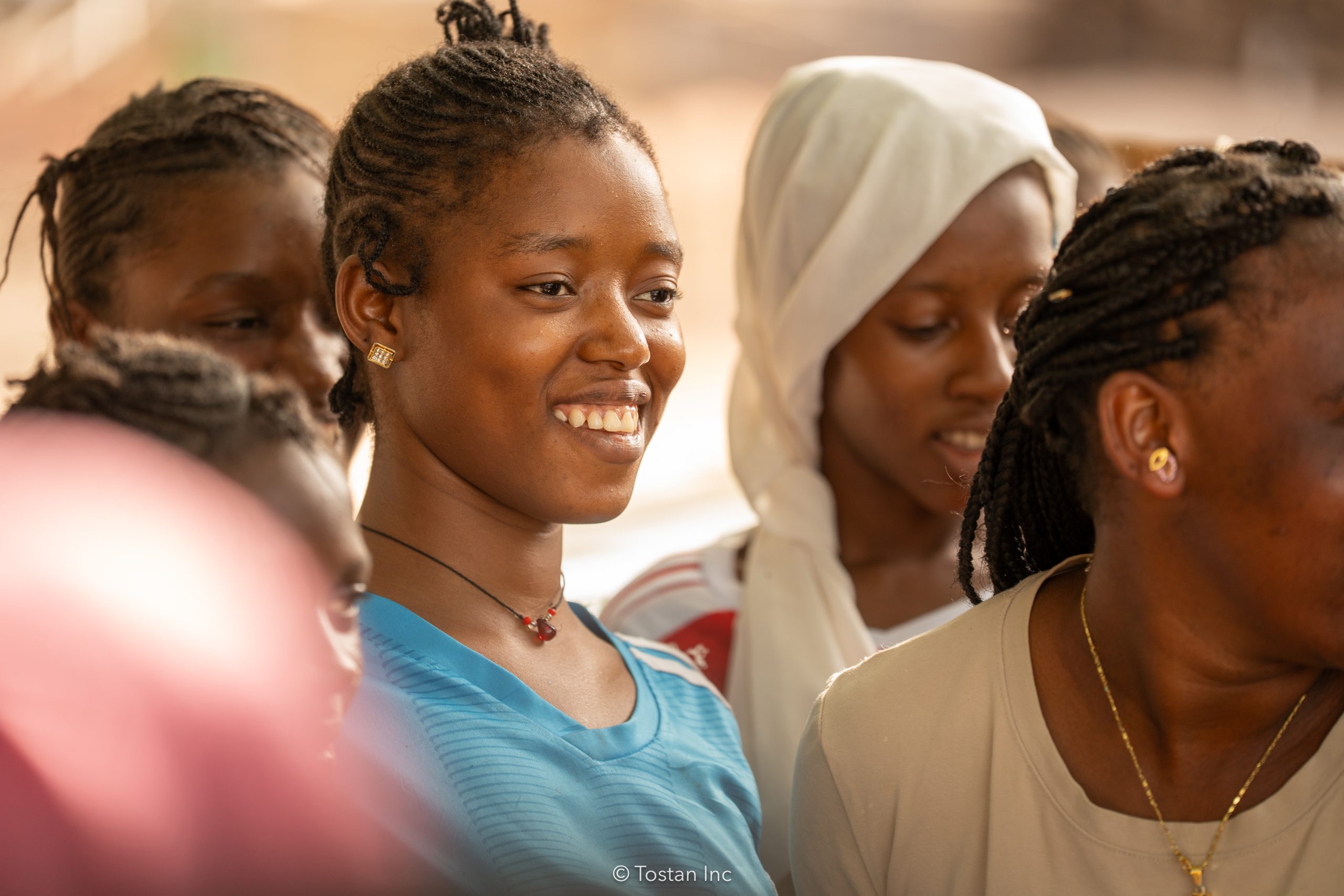
Around 72 million young Africans are NEET, not in employment, education, or training, according to the International Labour Organization. Two thirds are young women. On a continent where more than 60 percent of the population, about 864.9 million people, is under 25, that number defines the region’s future.
That gap keeps widening. Africa’s population is projected to more than double by 2050, reaching 2.5 billion. Every year, 8 million to 11 million young people enter the labor market while the formal economy creates roughly 3 million new paid jobs.
The cost of this gap does not stop with the young women and girls who carry it first. Economies lose the output of a generation not working or training. Communities lose the caregivers, teachers, and leaders that education would have produced. Progress toward gender equality slows each time a girl’s education ends early.
For young women and girls, that gap means unequal access to learning, leadership, and opportunity. Across the continent, young women have the capacity to advance climate action, expand economic opportunity, and drive digital innovation. They have projects. They have dreams. Too often, structural inequalities in education, technology, decent work, and public life hold them back before those projects begin.
Edrisa Janko was once part of that number, in The Gambia, until a Tostan literacy class sent him back to school and eventually to the Gambian bar this July. Fatimata Madina Baldé was part of it too, in Guinea Bissau, when an arranged marriage ended her schooling. A Tostan class in Pulaar gave her a way back that never required a classroom desk again. She now leads outreach across dozens of villages, without ever earning a diploma.
A generation this large is often called Africa’s greatest asset. Without a foothold in school or work, it can become its deepest challenge. Yet young people keep building anyway, starting small trades, organizing savings groups, teaching each other what schools did not. Governments that fail to open a formal path are not stopping that resilience. They are failing to match it.
Most of them left school early, or never enrolled, in places formal education never fully reached. For them, the way back rarely looks like a classroom desk. It looks like literacy and numeracy taught in their own language, tied to decisions they already need to make: pricing a harvest, keeping a savings group’s books, sitting on a village water committee.
Tostan has run that sequence for more than 35 years. Each community defines its vision first. Literacy and practical skills follow, built to serve that vision, not a standardized curriculum.
Yet the approach remains underfunded. National budgets favor formal schooling while non-formal education relies mostly on donor grants. Programs stall for lack of steady financing. African governments have pledged, under the UN Sustainable Development Goals, free secondary schooling for every child by 2030.
This week’s International Youth Day theme, Different Contexts, Common Aspirations, names exactly this reality. As UN Youth Envoy Jayathma Wickramanayake put it:
Young people are not the leaders of tomorrow, we are the leaders of today.
Seventy two million are still waiting for the door that would let them prove it. Funding non-formal education at scale is not charity. It is the fastest way to open that door, and it should start now.