
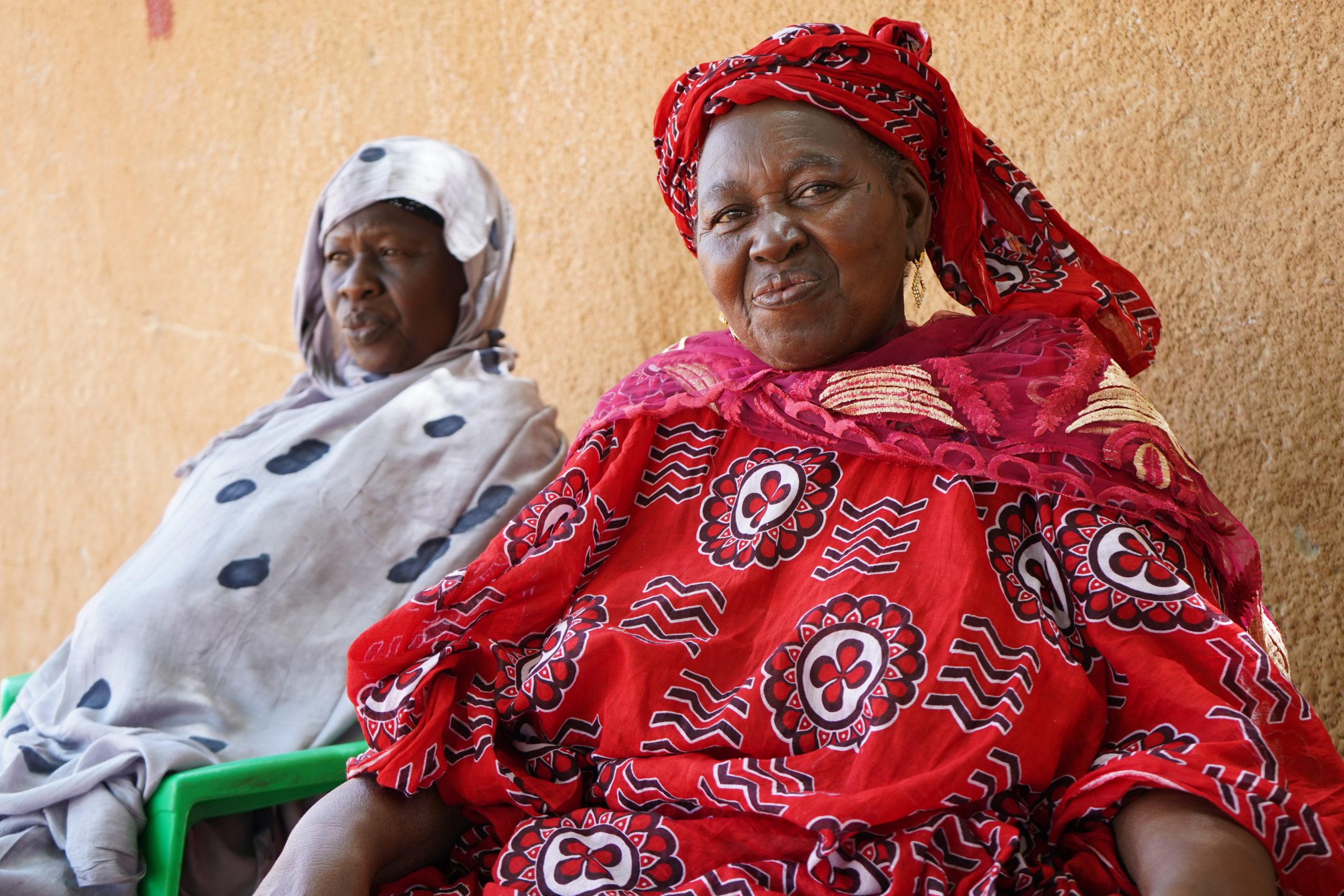
KEUR SIMBARA, Senegal—In this small rural village where clean water is still a daily struggle, the true resource isn’t infrastructure or outside funding but the strength of the community. “Our biggest challenge is water. Water is everything,” a villager notes. Yet in villages like Keur Simbara where formal services remain thin, what binds people together is their willingness to care for one another.
Health Access Remains Uneven in Rural Senegal
Across Senegal’s countryside, health-care access remains uneven. A 2022 study found that 53 % of women aged 15-49 reported at least one serious barrier to seeking care—financial cost (45 %), distance (22 %). In rural regions, health-worker density is far below World Health Organization standards—just 0.3 health workers per 1,000 people in some areas. At the same time, only 27% of people have access to safely managed drinking water, and just 21% of households have a hand-washing facility with soap and water at home.
In this broader context of scarce water and long distances to health posts, Keur Simbara stands out—not because it has all the answers, but because it chooses to act together..
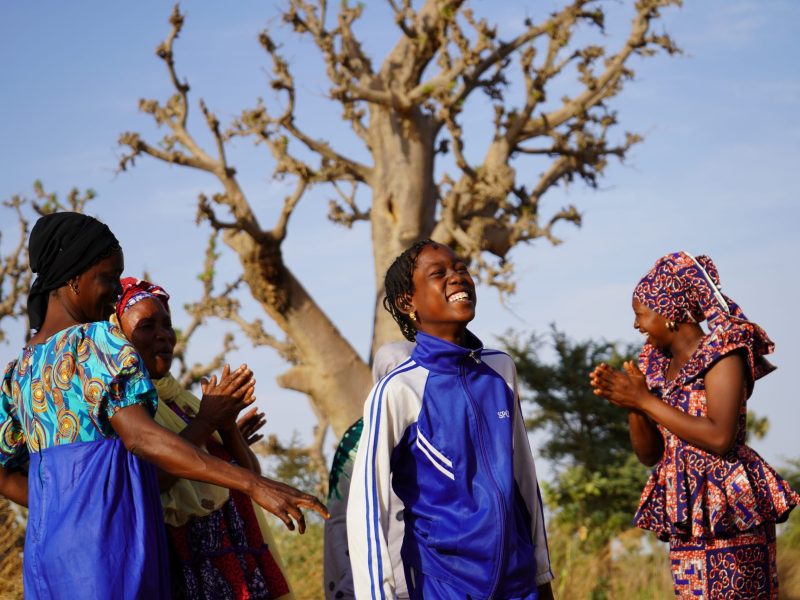
On a recent morning, the village slowly awakens. Women gather to sweep the courtyards before joining in song and dance by midday, their faces glowing with smiles.. Children hurry along dusty paths, balancing water containers on their heads, while elders sit beneath the wide shade of baobab trees, discussing the day’s news. The rhythm of life here is simple yet deeply connected.
We are all one family — like the same mom, the same dad,” one villager says with a smile. “We share both joy and hardship. Helping each other is just how we live.
Despite limited external support, the village created its own community-managed health and loan fund.
“All the money is tracked. Each event has a specific notebook. We developed action plans with Tostan. We have a low-interest loan system, but the interest goes back into the community,” one participant explains.
The roots of this collective capacity trace back to 1992, when Keur Simbara joined Tostan’s Community Empowerment Program. Through years of dialogue and learning, the community built a shared vision of wellbeing defined by dignity, solidarity, and mutual responsibility. When the program ended, Tostan stepped back, but the change continued to grow. The villagers had learned to organize, plan, and act together.
Today’s solidarity fund is part of that ongoing story. It reflects the same principles that guided them decades ago: inclusive dialogue, practical skills, and collective ownership of development. The sustainability of this change lies in the fact that it is led and renewed by the community itself.
This fund supports pregnant women and patients who cannot afford medical fees, a vital resource in places where the nearest fully staffed hospital may be dozens of kilometres away and transport costs remain high. What national data reveal in numbers—how cost, distance, and lack of information prevent care—Keur Simbara responds to in action. Instead of waiting for a clinic that may never come, the community builds its own safety net.In Keur Simbara, the community’s response may be informal, but it is significant: instead of waiting for a clinic that never arrives, they build support themselves. Change here has also been passed from one generation to the next.
“My mother was a major figure in the village,”one woman recalls. “She led the women here. She had the gift of calming people through conversation. She was peaceful—and that’s what she taught us.” The young generation, in turn, inherits that legacy of care and capacitation: “The skills I have today, I inherited from my mother, who learned them from hers,” another adds.
At a time when many societies are told to look inward and fend for themselves, Keur Simbara offers another vision of progress. Here, dignity does not come from being left alone, but from being connected.
Where formal systems under-deliver, community systems step in—not as replacements, but as expressions of human ingenuity.
This is why Keur Simbara matters. It matters not because it has solved rural development, but because it is practising it: with minimal resources, maximal humanity.
It reminds us that access to healthcare or water is not only about facilities or funds—it is about belonging, mutual responsibility and collective movement toward wellbeing. And often, that may matter even more.
