
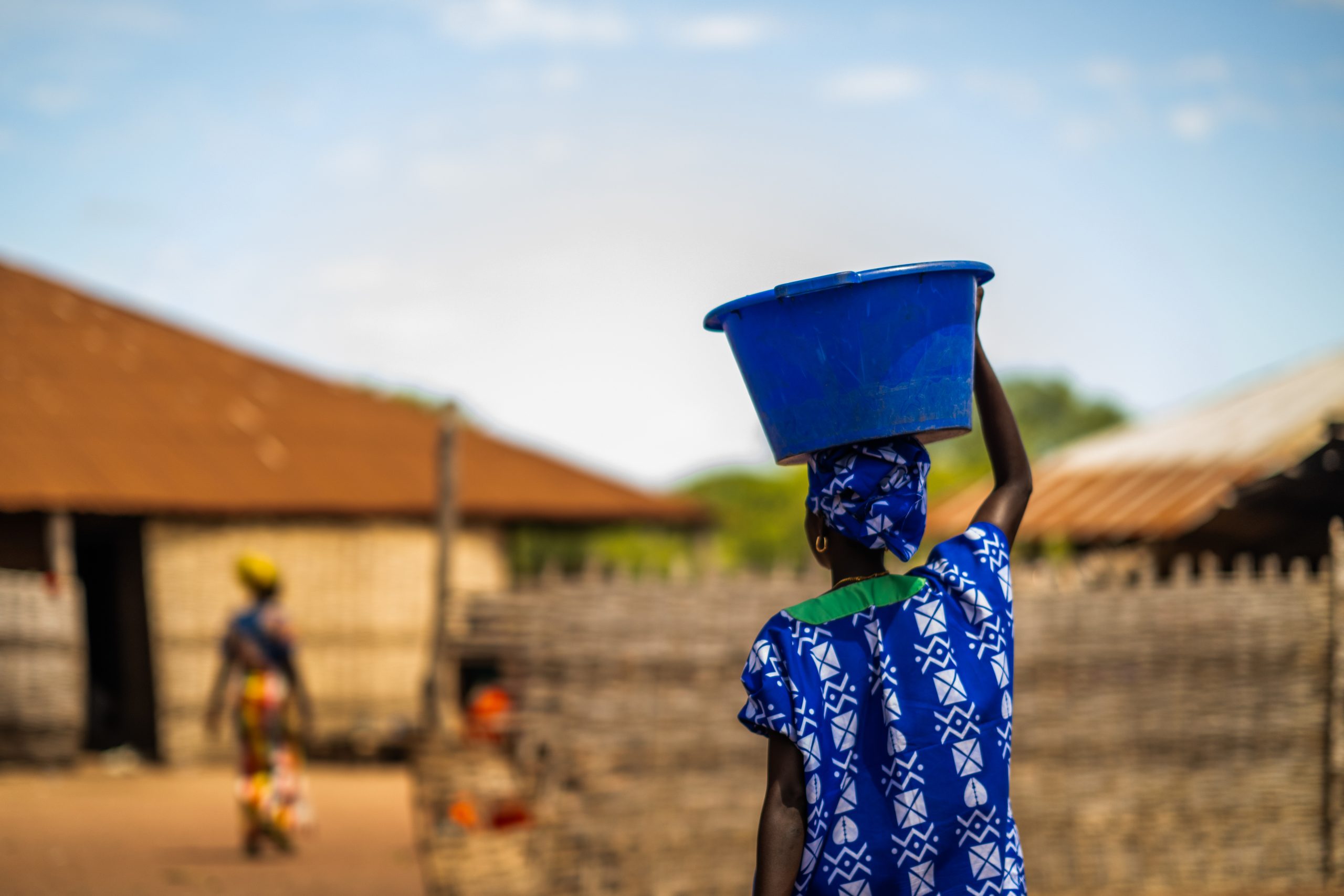
In Sare-Coba, a small farming village in Guinea-Bissau’s Bafatá region, the sound of a new corn-grinding machine fills the morning air. For the women who once woke before sunrise to pound grain by hand, the machine represents years of effort, learning, and collective determination. Through Tostan’s Community Empowerment Program, they gained literacy, management, and leadership skills that helped them organize and raise funds for the project.
Today, the machine provides income and independence, showing how local knowledge and solidarity can drive lasting progress in rural communities.
The Community Empowerment Program (CEP), implemented by Tostan and conducted in local languages by resident facilitators over three years, supports communities to define their own priorities and manage them collectively.
Grounded in human rights and practical learning, the program has strengthened participation and leadership among women while improving living conditions for all. A
cross health, education, and economic life, it has encouraged villagers to see themselves as active agents of their development.
Sare-Coba became one of the program’s partner communities in 2021. From the start, women identified a shared goal: to acquire a corn-grinding machine that could ease the daily labor of food preparation.
Corn is the region’s staple food, yet processing it demands hours of physical effort.
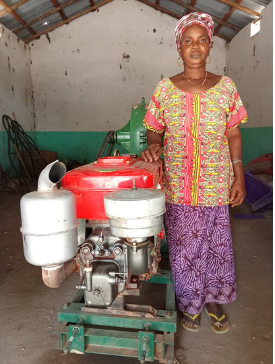
“We worked hard to turn that dream into reality,” recalls Djide Baldé, head of the Farmers’ Club and Coordinator of the Community Management Committee. “We organized weekly contributions, carried out income-generating activities, and managed the funds in our community account. Through this collective effort, we were able to overcome many of our challenges.”
By the time the community completed the CEP in 2023, the women of Sare-Coba had already built the skills and confidence to manage their finances transparently. When the FRSD-GIZ project, in partnership with Swissaid, ADPP, Cope, and AA, offered support to promising communities, Sare-Coba was ready. With technical assistance and seed funding, they purchased the long-awaited machine.
“It has saved us time and energy,” Djide says. “It also strengthens the local economy. Each user contributes a small amount for the grinding, which allows us to keep building our community fund.”
The women now manage the machine’s maintenance, accounting, and scheduling. Thanks to their literacy and project-management skills, they keep records with accuracy and transparency. The income generated supports local initiatives, from school supplies to small business ventures, and reinforces the group’s independence. What began as a tool for daily convenience has become a shared enterprise that benefits the entire village.
The story of Sare-Coba reflects a broader lesson taking shape across Guinea-Bissau: when communities have the chance to learn in their own language, plan together, and manage their resources, progress becomes sustainable.
The corn-grinding machine stands as both a practical asset and a quiet symbol of transformation—women using their knowledge to lead, collaborate, and invest in their future.